Showing posts with label earthquake. Show all posts

November 15, 2010

Cholera


Now that the hurricane is past and the rains have stopped we are watching the cholera situation. The official count now lists the number of deaths from cholera nearing 1,000, with another 12,000 being treated. Because of the poor hygiene conditions in Haiti, the bacteria is spreading at an accelerated rate. The poor living conditions and lack of clean water aid the spread of the bacteria.

With the death rate exceeding 100 per day, there is a problem of what to do with all the deceased. There is a shortage of coffins and also unavailable space to bury the people. More and more cases are appearing in Port au Prince where the situation is especially precarious since the city is still full of rubble from the January earthquake and since so many are still living in tents.

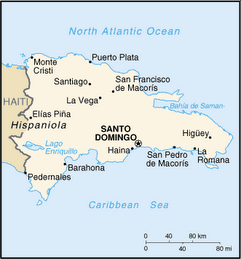
People on the Dominican side of the border are watching the situation in Haiti and hoping the cholera will not spread to this side of the island. There have not been any "official" cases of cholera in the DR yet, although there have been several reported cases. For the past two weeks the border has been closed and the authorities are keeping a tight watch on anyone coming over the border, most Haitians are not allowed to cross into the DR. The border was opened for a short time this past Friday, and three women were trampled in the stampede of people that tried to cross into the DR. This is causing increasing tension between the two countries. The governments of the two countries are trying to come to an agreement of an orderly passage of people over the border, but until they formulate a plan, everyone is watching and waiting.

January 19, 2010

Haiti update

These are some of the main topics in today's newspapers here in the DR. Comments in italics are mine.

The Brazilian Minister of Defense published a list of five of the most urgent problems that need to be treated in emergency situations: 1) Bury the dead People are complaining about the stench emanating from all the decomposing bodies. The rat problem is also becoming quite intolerable as they migrate toward all the dead. 2) Help the wounded. The hospitals are all full. The Dario Contreras Hospital in Santo Domingo will be militarized due to the high number of Haitians coming to the hospital looking for information about family members. 140 Haitians have been treated at this trauma center, but they have reported up to 3,000 Haitians waiting around the hospital grounds for information, creating chaos and disorder and impeding the normal functioning of the hospital. 3) Remove the rubble. For right now, only to free people trapped underneath. 4) Security. We have heard about the US soldiers and the great job they are doing at establishing order and food distribution. When they came their helicopters landed on the lawn in front of the destroyed Presidential Palace. The Haitians were all in the streets, behind the fences. To most Haitians, this felt like an invasion and as they say, a "loss of sovereignty". 5) Distribution of food and water. There have been great improvements of getting aid out to the people. International aid is arriving at the airport in Port au Prince, also at the port of Santo Domingo, and then trucked over. This past weekend the Dominicans held countrywide telethons and collected $124RD million pesos for their Haitian neighbors.

It has been suggested that Dominican troops be sent to Haiti. Most Dominicans are against this suggestion. They see it as unnecessary and dangerous for the troops due to "historical tensions" between Dominicans and Haitians.

Another topic being tossed out by international organizations is to establish refugee camps for Haitians across the border in the DR. Most Dominicans also reject this idea as they see it as an attempt at erasing the border and reuniting the country into one.

Doctors are also beginning to warn about epidemics caused by decomposing bodies and unclean water. A massive campaign against malaria is being conducted, especially at the border. Up until now, malaria has been contained to Haiti and has not been a problem in the DR. This may change with the large number of people migrating across the border. Fumigation programs are also being done.

There has been a massive exodus of Haitians into the DR especially at Dajabon which is the northern most point of entry into the DR. One border agent said, "We have never seen such heavy traffic and if someone doesn't stop it, Haiti will soon be empty, because in a few days they'll all be here". Many of those coming over the border are not wounded but come in hopes of better living conditions. Most of these Haitians are heading to Santiago, the second largest city in the DR.

Thanks again to all of you for your continued prayers and support. More tomorrow.